Quick Summary
If you’ve just installed Apple CarPlay or Android Auto and your music still sounds flat, weak, or disappointing, you’re not alone. The truth is, CarPlay and Android Auto were never designed to improve your sound. They’re interface tools, not audio upgrades. The real culprit is almost always your factory speakers and amplifier, which are built to a cost, and no amount of software upgrade will fix that.
- Installed CarPlay or Android Auto but your sound still disappoints? The problem isn’t CarPlay, it’s your factory speakers and amplifier.
- Factory audio is built to a budget, even in BMW, Audi, and Lexus with B&O, Bose, or JBL fitted.
- The real fix is upgrading your speakers, amplifier, and DSP tuning.
- Brands like Focal, Audison, and Musway work for any car, from Myvi to Alphard.
- Fully compatible with CarPlay and Android Auto, no conflict at all.
You’ve just had Apple CarPlay or Android Auto installed in your car. The interface looks slick. Navigation is seamless. Your Spotify playlist streams without a hitch. But the moment the music kicks in, something feels off. The bass is weak, the mids sound congested, and the overall audio feels flat.
You’re not alone. This is one of the most common complaints we hear at Pete’s Audio. And the answer might surprise you: it’s not your CarPlay or Android Auto causing the problem. It never was.
The real issue? Your car’s factory audio system, and we’re here to explain exactly why, and what to do about it.
What Are Apple CarPlay and Android Auto?
Before we get into the audio problem, it’s worth understanding what these systems actually do, and what they don’t.
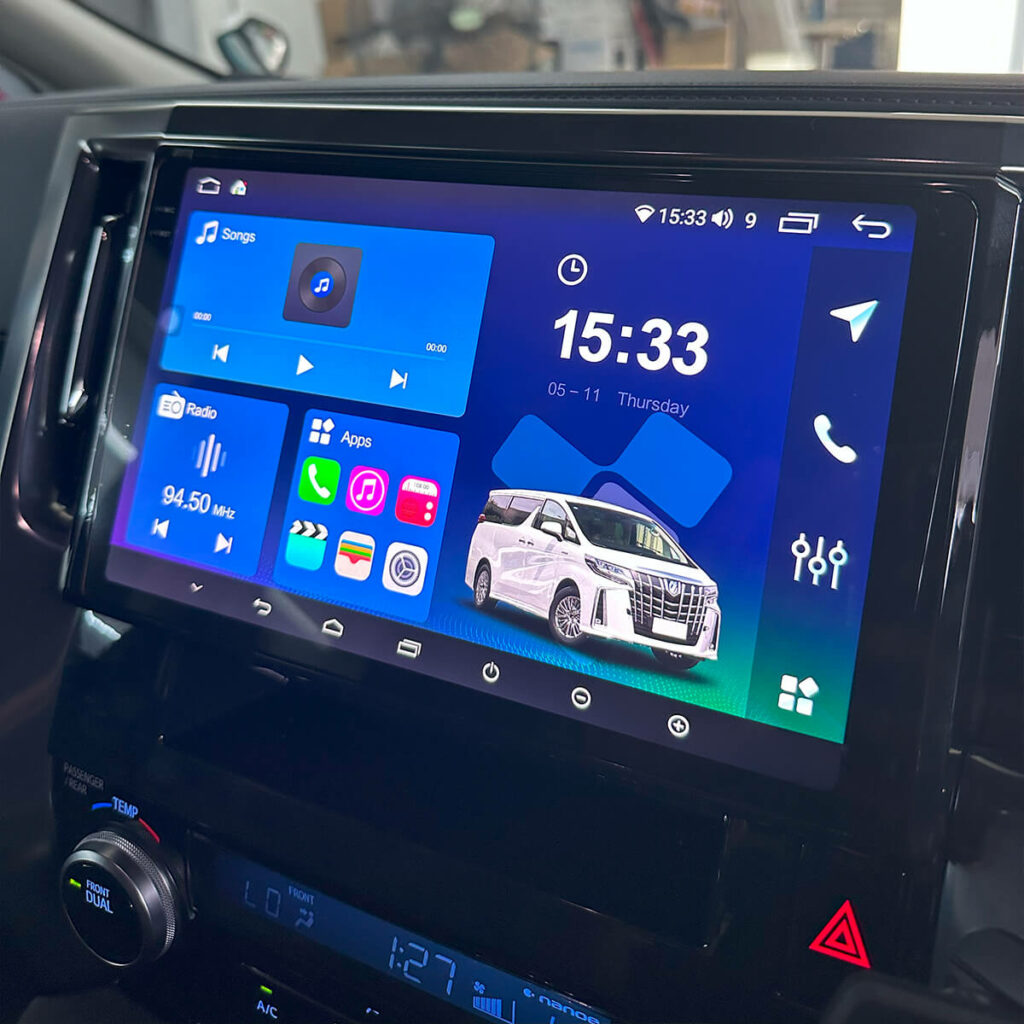
Apple CarPlay and Android Auto are smartphone mirroring platforms. They connect your iPhone or Android device to your car’s head unit, giving you a familiar interface for:
- Turn-by-turn navigation (Google Maps, Waze, Apple Maps)
- Music and podcast streaming (Spotify, Apple Music, YouTube Music)
- Hands-free calls and voice control (Siri, Google Assistant)
- Messaging via voice-to-text
They’re brilliant for convenience and safety. But here’s the thing, they are display and interface platforms, not audio processors. They improve how you interact with your phone while driving. They do not improve how your car produces sound.
Think of CarPlay and Android Auto like a high-resolution TV screen. The picture quality depends on the TV, not the HDMI cable you plugged in.
How the Audio Signal Actually Flows in Your Car
Understanding the signal chain helps explain why upgrading your head unit alone doesn’t fix the sound. Here’s the simplified flow:
- Your phone processes the audio from your streaming app
- The signal passes to your car’s head unit (the screen/stereo unit)
- The head unit sends that signal to an amplifier
- The amplifier powers the speakers
- The speakers produce the sound you hear
CarPlay and Android Auto operate at Step 1 and 2. Sound quality is ultimately determined by Steps 3, 4, and 5, your amp, your speakers, and how well they’re tuned together.
Even if you’re streaming lossless audio from Apple Music or Tidal at the highest quality setting, a weak amplifier and cheap factory speakers will still make it sound mediocre.
Why Your Sound Still Feels Weak After Installing CarPlay
This is the core question, and the honest answer is this: CarPlay and Android Auto were never designed to fix your car audio. Here’s what’s actually limiting your sound:
1. Factory Speakers Are Built to a Budget
Car manufacturers prioritise cost, weight, and production efficiency. Factory speakers, even in premium cars, are typically made with:
- Thin, lightweight paper or plastic cones
- Small magnets that produce weak bass
- Limited frequency response (poor highs and lows)
- No acoustic optimisation for the car’s interior
The result? You get thin, low-energy sound that struggles to fill the cabin, especially at highway speeds.
2. Factory Amplifiers Are Underpowered
Most factory head units output between 15 to 20 watts RMS per channel, on paper. In reality, that power is barely enough to push factory speakers to a comfortable listening volume, let alone reproduce dynamic range or deep bass cleanly.
Compare that to an aftermarket amplifier delivering 50 to 100+ watts RMS per channel and the difference is immediately audible.
3. No Sound Tuning or DSP
Every car’s interior is acoustically different, seat positions, door panels, dashboard materials, and glass all affect how sound reaches your ears. Factory systems rarely account for this. Without proper car audio system tuning, your audio can sound:
- Echo-y or boomy
- Unbalanced (too much treble, not enough bass, or vice versa)
- Localised to one side of the cabin
4. Even Luxury Brands Aren’t Exempt
Here’s something that surprises a lot of people, even premium factory audio brands like B&O (Bang & Olufsen), Bose, JBL, and Harman Kardon car speakers, fitted in BMW, Mercedes-Benz, Audi, Lexus, and Volvo.
Why? Because factory-fitted premium systems are still engineering compromises. They’re tuned to sound acceptable in a showroom demo, not to genuinely reproduce music with accuracy and depth. Many car audio enthusiasts who drive luxury vehicles still choose to upgrade their systems for exactly this reason. If you drive a BMW or Lexus, you can see real examples of what a proper BMW audio upgrade or Lexus sound system upgrade looks like.
The Real Upgrade: Your Car Audio System
If you want to genuinely improve car audio after CarPlay is installed, the answer lies in upgrading your physical audio hardware, not your software or head unit interface.
The three key components that transform your sound are:
Better Speakers
Aftermarket speakers from specialist audio brands offer dramatically better materials, construction, and acoustic design. Two categories matter most:
- Component speakers: Separate tweeter, mid-range driver, and crossover for precise, layered sound. Best for audiophile-quality listening.
- Coaxial speakers: All-in-one driver design, easier to install, and still a massive improvement over factory units.
Brands worth considering for Malaysia’s climate and roads:
- Focal car audio (France): Widely regarded as one of the best in the world. Their K2 Power and Utopia series are class-leading.
- Audison (Italy): Exceptional midrange clarity. Pairs beautifully with their own amplifiers for an integrated system.
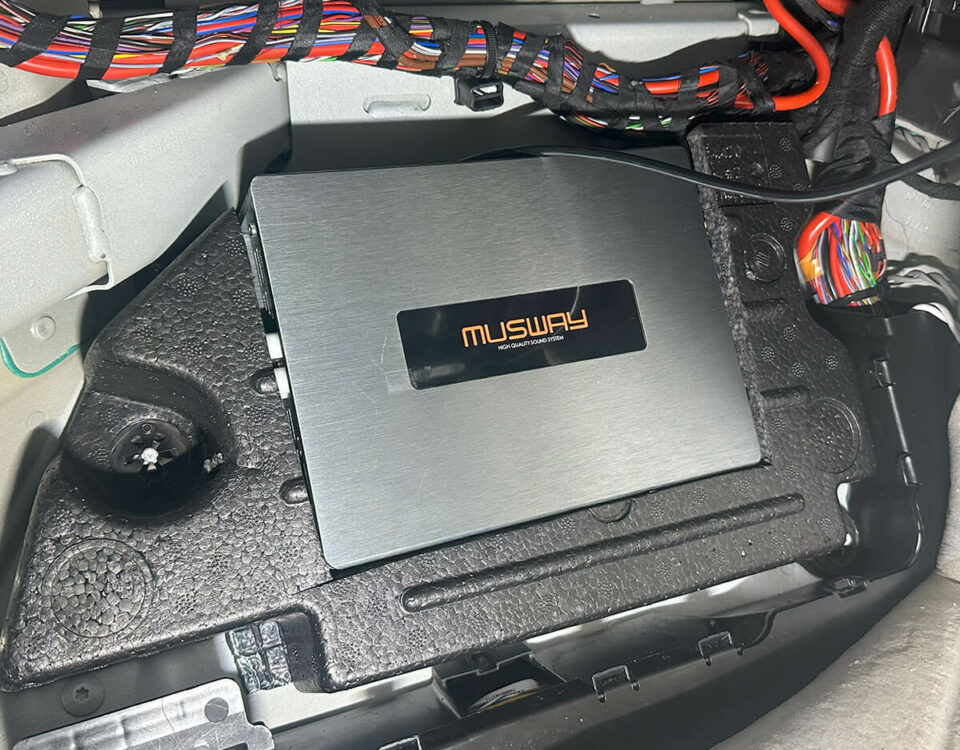
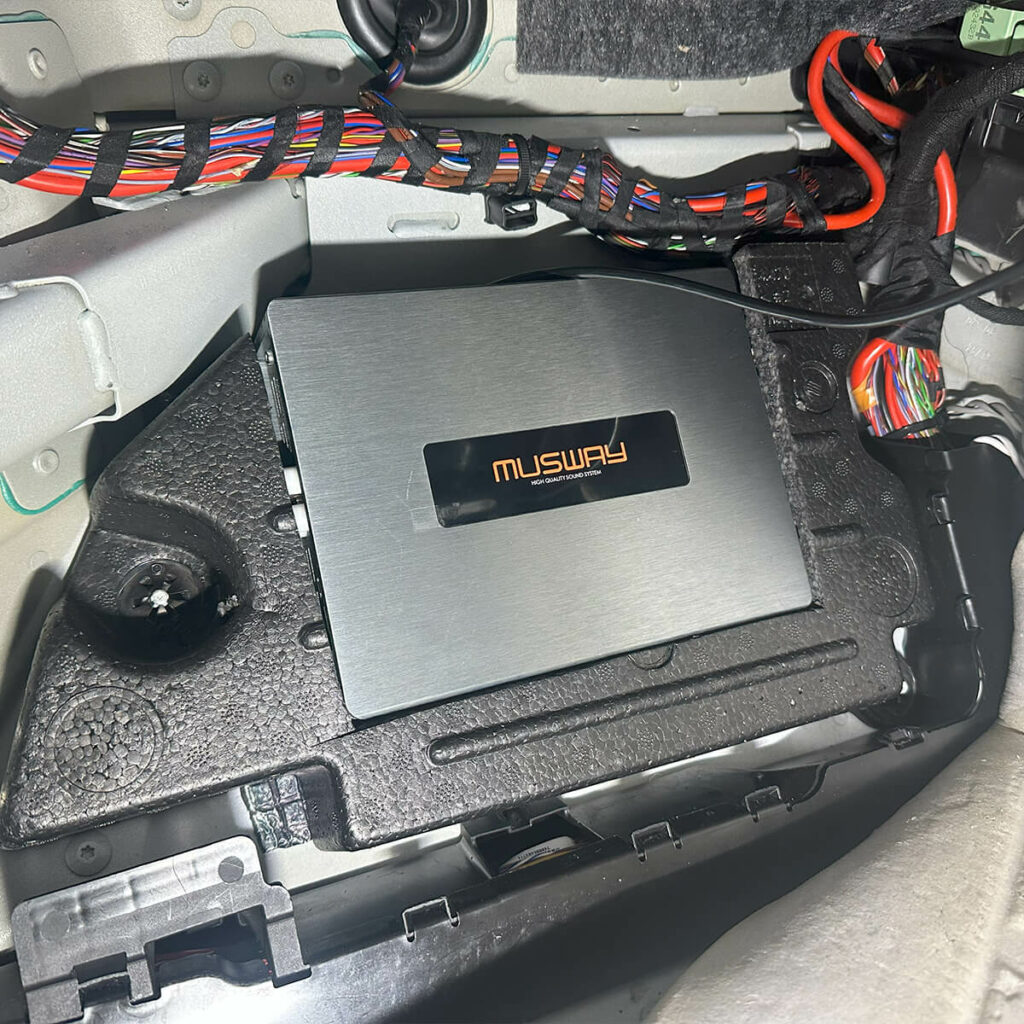
- Musway (Germany): Excellent value for performance. A favourite for B-segment car owners who want a significant upgrade without the ultra-premium price tag.
Amplifier Power
An aftermarket amplifier cleanly powers your speakers to their full potential. It reduces distortion at high volumes, improves dynamic range, and gives your system the headroom to breathe. Paired with quality speakers, the improvement is night and day.
DSP Tuning
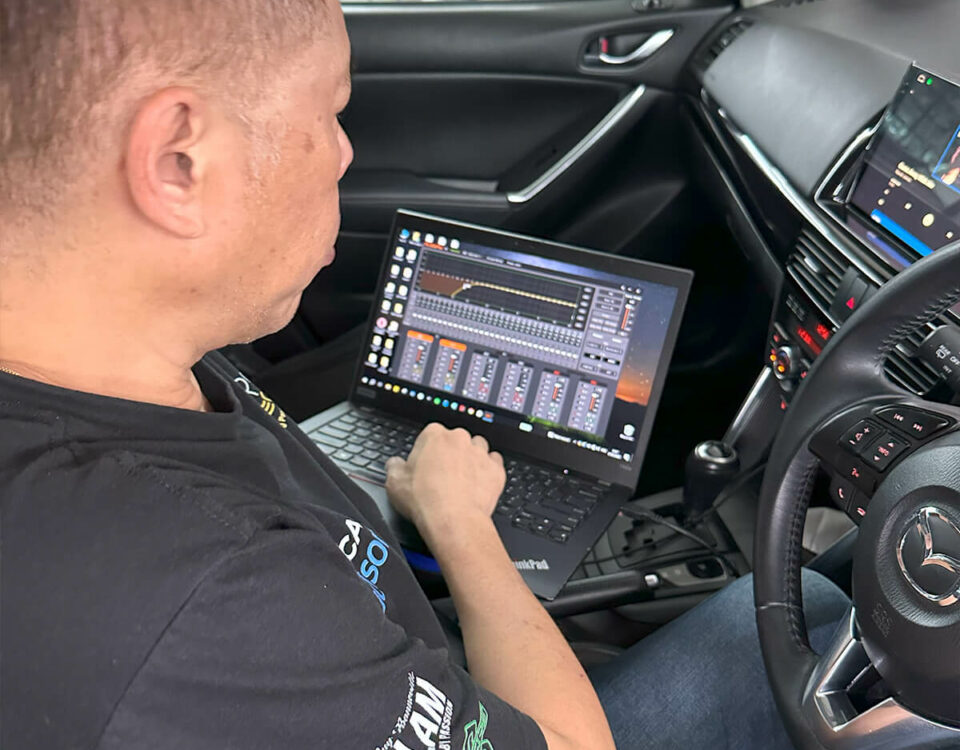
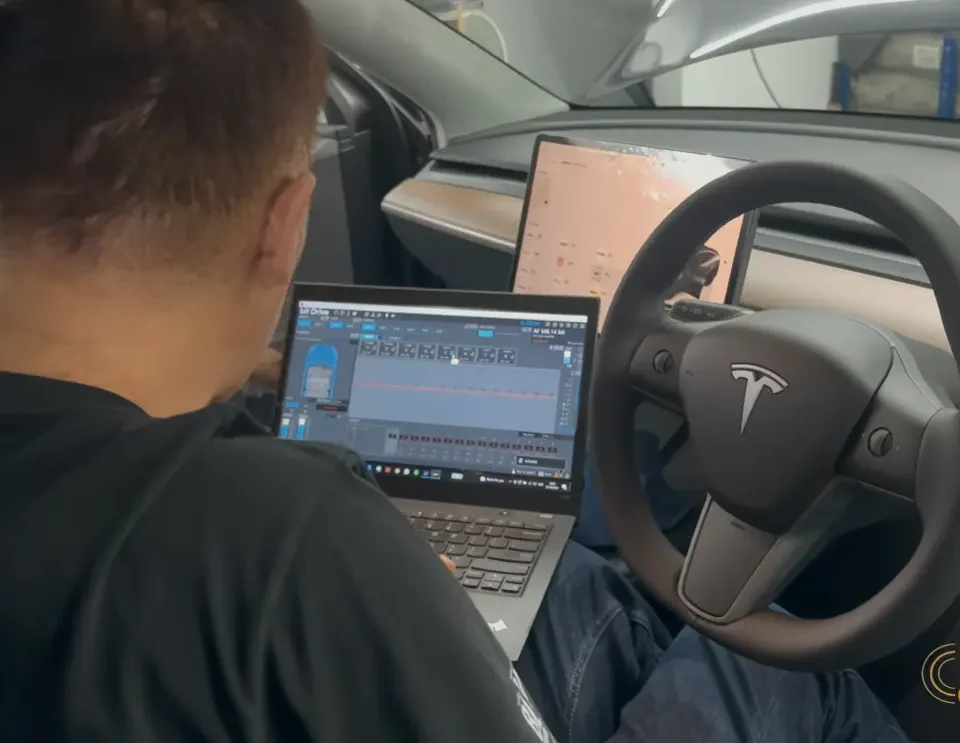
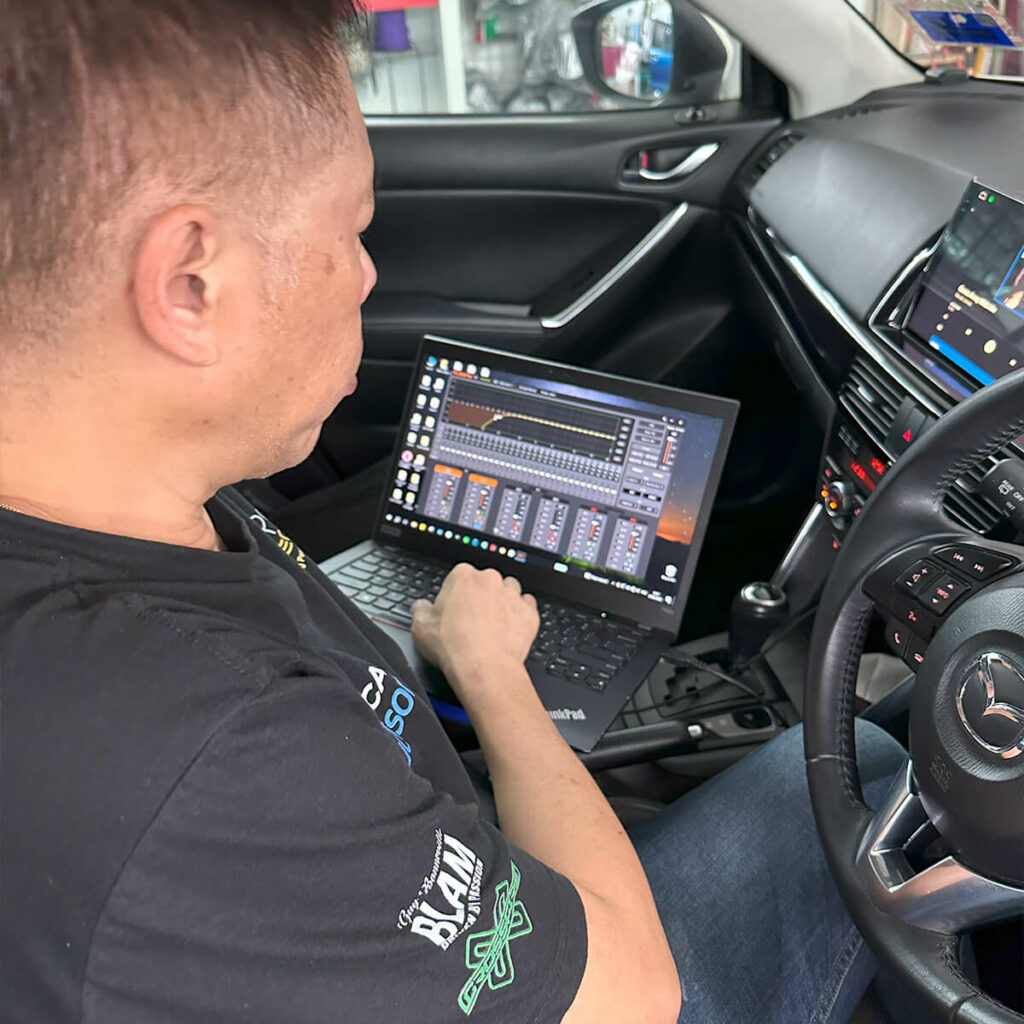
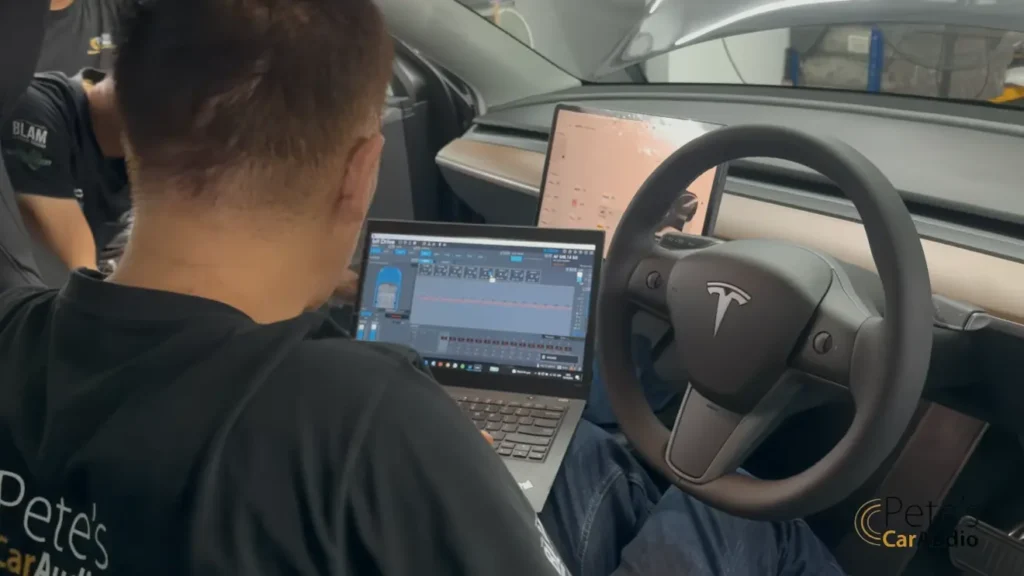
A DSP processor allows a technician to time-align your speakers, equalise each channel independently, and correct for your car’s specific acoustic environment. It’s the difference between “louder music” and “music that sounds like a live performance.”
Real Cars, Real Upgrades: Who Is Doing This in Malaysia?
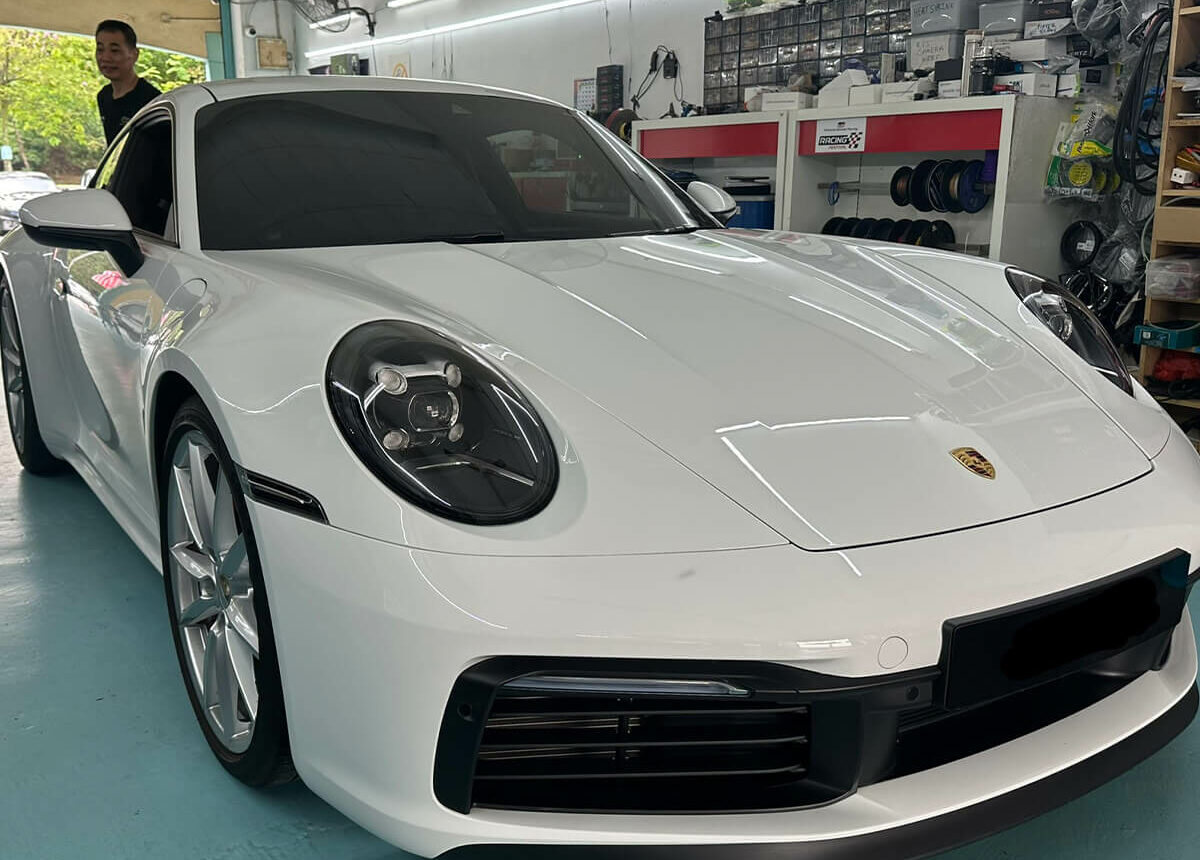
You might think audio upgrades are only for exotic cars or hardcore enthusiasts. The reality is very different. At Pete’s Audio, we regularly work on a wide range of vehicles:
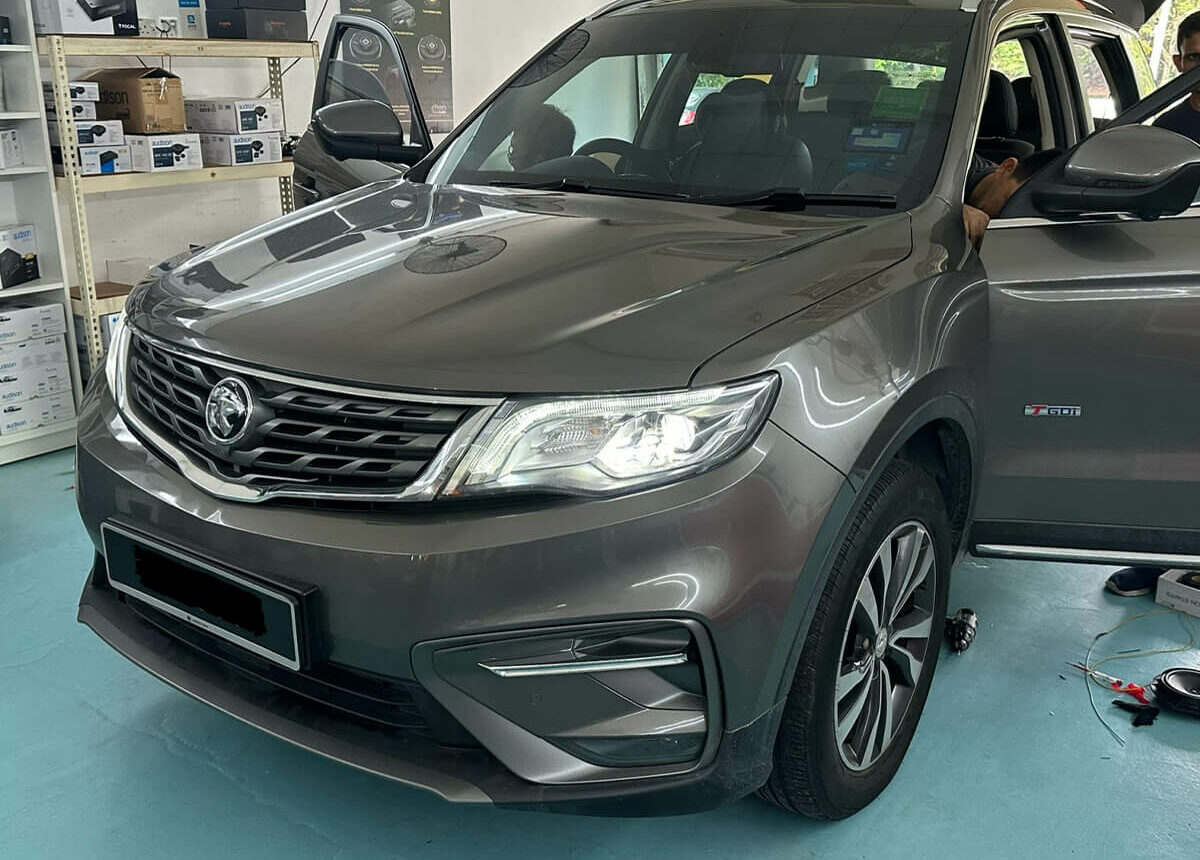
- B & C Segment Cars (Toyota Vios, Honda City, Perodua Ativa, Myvi, Proton X50): Compact cars with notoriously average factory audio. A Musway or Focal component speaker upgrade with a modest amplifier transforms these completely.
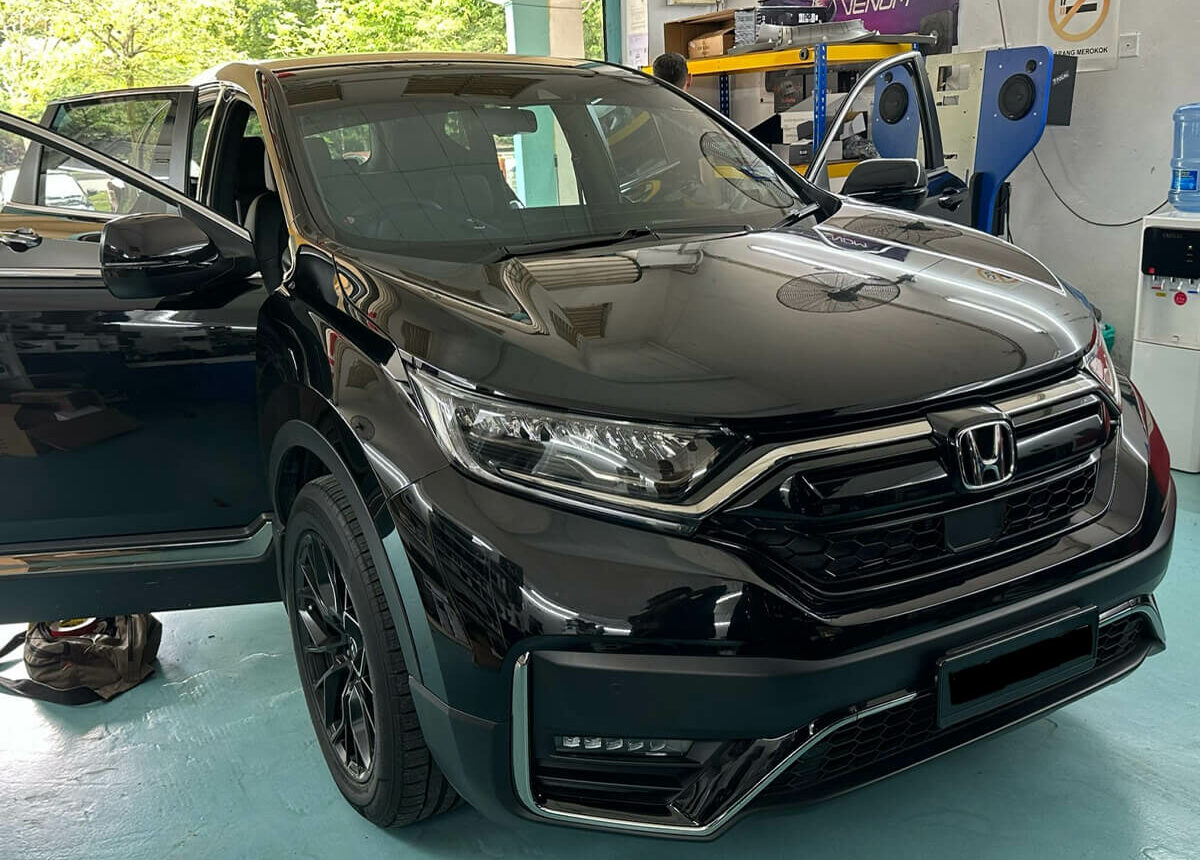
- Honda Civic and Toyota Corolla: Upper mid-range sedans where owners want premium sound without changing the clean OEM look. Low-profile installations that keep the factory aesthetic.
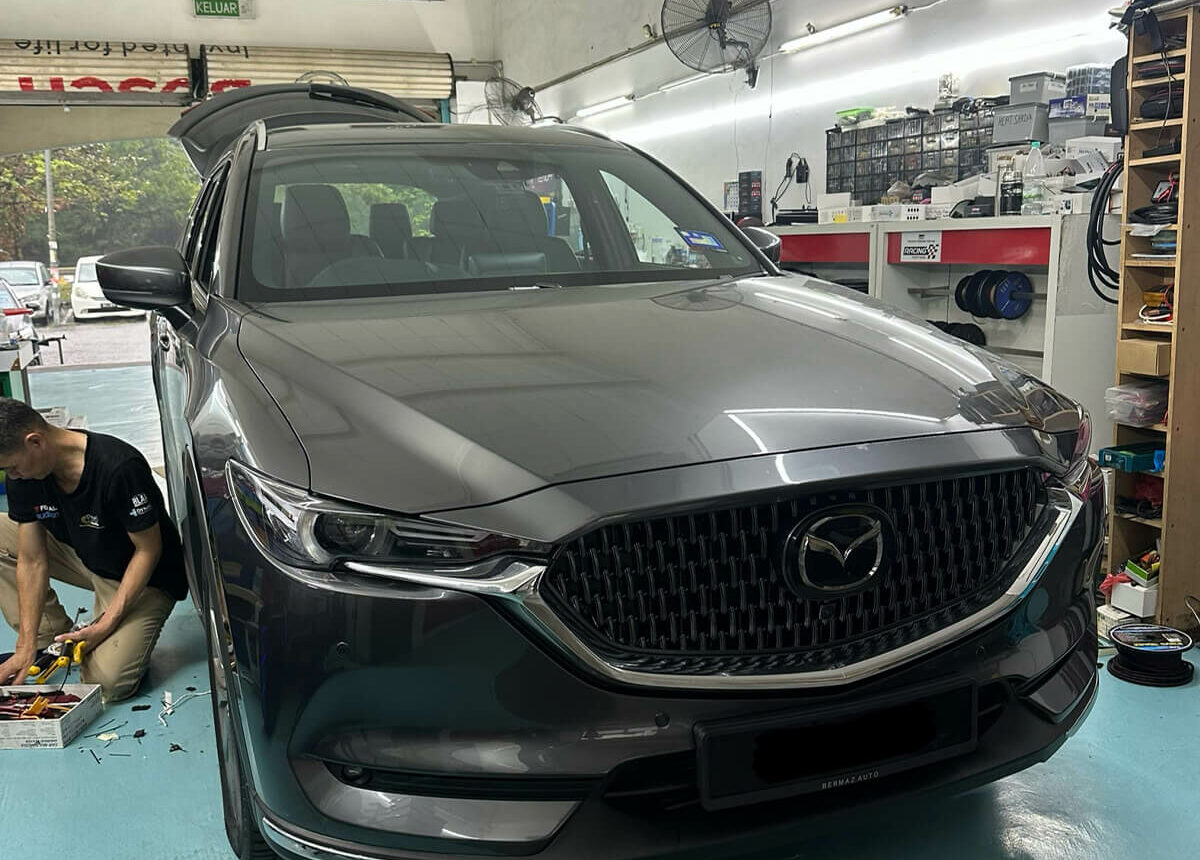
- Mazda CX-5 and CX-8: Bose factory systems that sound good on paper but disappoint audiophiles. Audison component upgrades with DSP tuning take these to a completely different level.
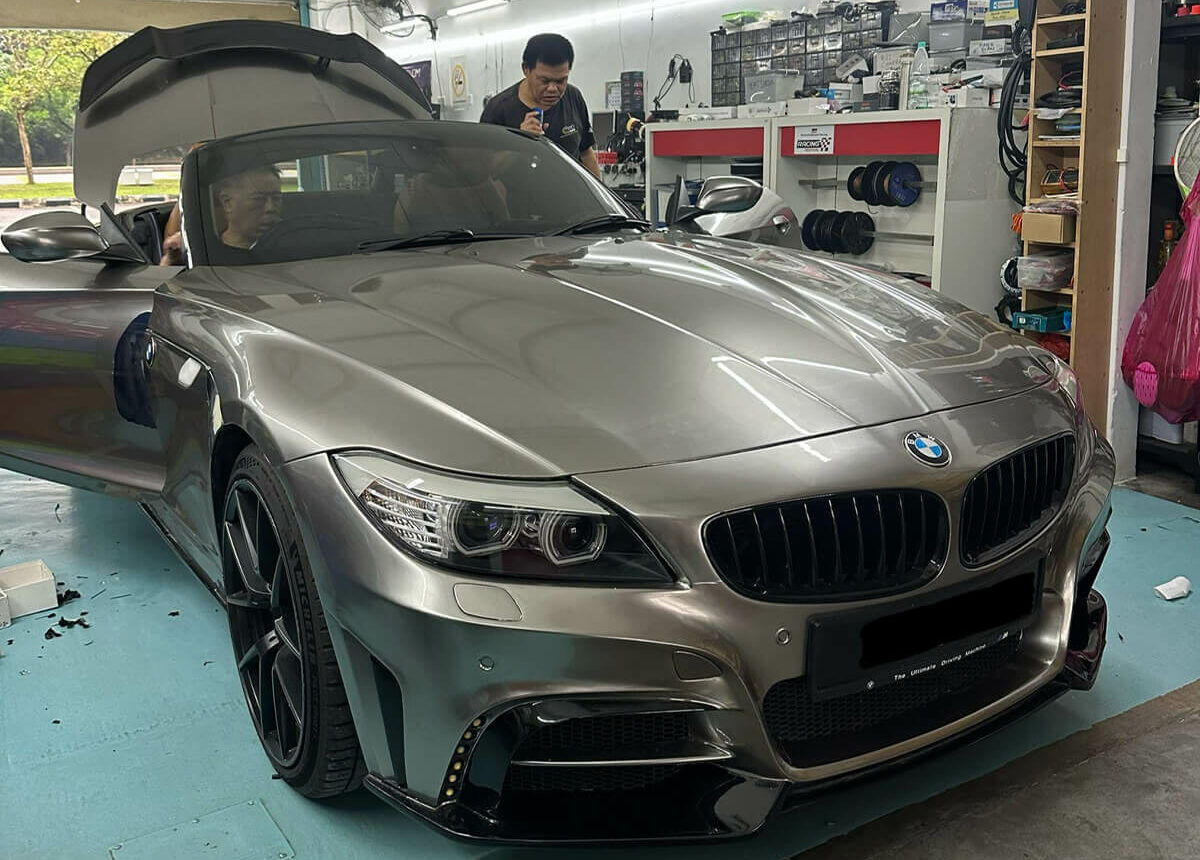
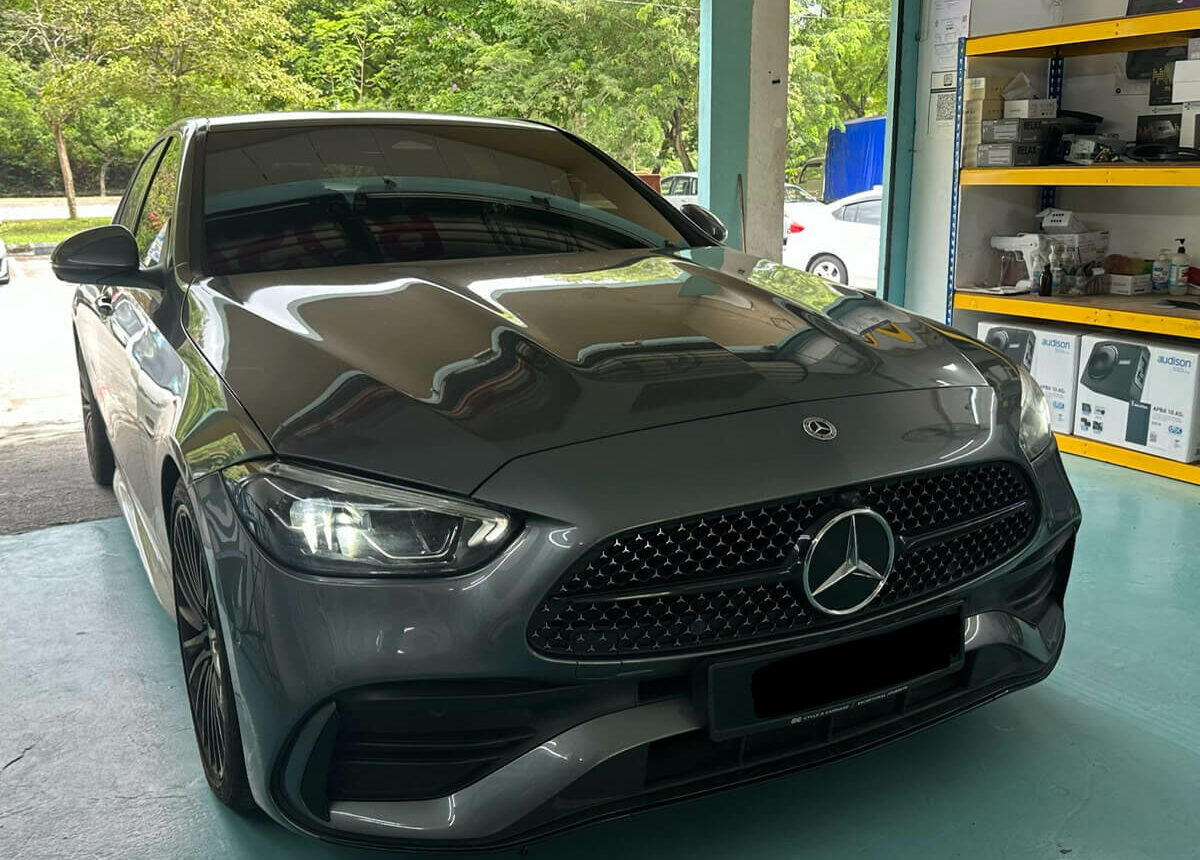
- BMW 3 Series and Mercedes C-Class: Factory Harman or Burmester systems get replaced or supplemented with Focal or Audison setups. Even owners of luxury cars seek this.
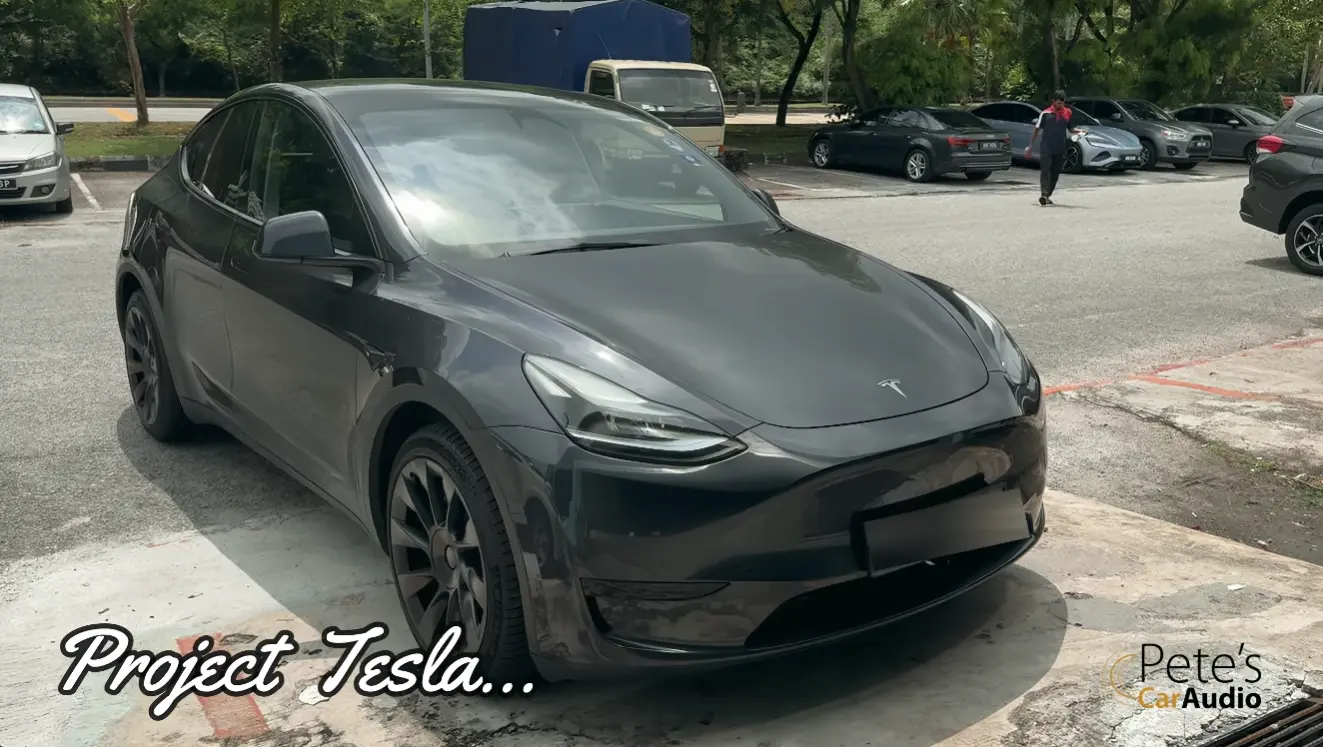
- Tesla: Many Tesla Model Y & 3 owners are surprised to find even their EV’s cabin-quiet advantage doesn’t compensate for speakers that underwhelm at volume. A proper speaker upgrade makes a remarkable difference.
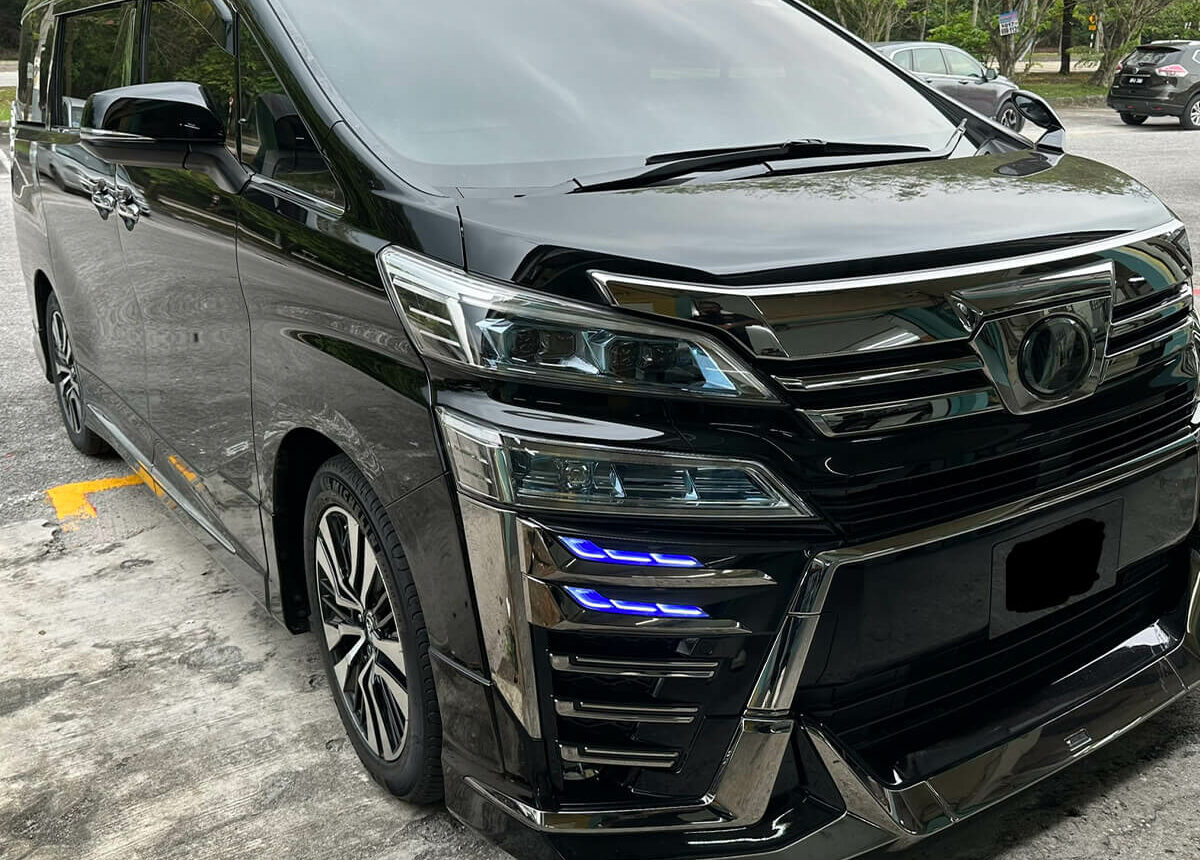
- Toyota Alphard/Vellfire: Premium MPVs where a full multi-zone audio system setup, front, rear, and subwoofer, creates a true lounge-on-wheels experience.
Does Upgrading Your Audio Break CarPlay or Android Auto?
This is a common concern, and the answer is a firm no.
A proper aftermarket audio system is fully compatible with Apple CarPlay and Android Auto. There is no system conflict, no software incompatibility, and no trade-off.
In fact, the combination is ideal:
- CarPlay and Android Auto handle the interface, connectivity, and app integration
- Your upgraded audio system handles the actual reproduction of sound
- Lossless streaming from Apple Music, Tidal, or Spotify HiFi is finally realised, your speakers can now actually reproduce what those files contain
Many modern DSPs even integrate seamlessly with aftermarket head units that support CarPlay, giving you the best of both worlds: smart connectivity and audiophile-grade sound.
What Actually Affects Your Car Audio Quality
To make it simple, here’s what matters and what doesn’t when it comes to sound quality:
- Speaker quality and materials
- Amplifier power and cleanliness
- DSP tuning and acoustic optimisation
- Speaker placement and installation quality
- Subwoofer for bass extension
What does NOT affect sound quality:
- Having Apple CarPlay installed
- Having Android Auto installed
- Your head unit’s display resolution or screen size
- The brand of your car (luxury or otherwise)
CarPlay Is Great. Your Speakers Need to Match It
If you’ve upgraded to Apple CarPlay or Android Auto and you’re still disappointed by the sound, now you know why. The interface is only half the equation. The other half, the part that actually makes music sound good, is your audio hardware.
Whether you drive a Myvi or a BMW, a Proton X50 or a Toyota Alphard, the path to genuinely great car audio is the same: better speakers, proper amplification, and professional DSP tuning that’s calibrated specifically for your car.
At Pete’s Audio, we specialise in exactly this. If you’re ready to explore a proper car audio upgrade, we work with leading brands like Focal, Audison, and Musway to design and install systems that complement your CarPlay setup, not replace it.