If your car audio does not sound as good as you expected, you may be wondering whether you should replace the speakers or install a DSP first. This is a common question, especially when you already have a factory audio system and want to improve the sound without spending money on upgrades that may not solve the actual problem.
The answer depends on what is limiting your current system. DSP tuning can improve balance, staging and speaker integration, while new speakers can improve detail, dynamics and the overall character of the sound. In some cars, DSP should come first. In others, the speakers are clearly the weakest part of the system.
Quick Summary
- Choose DSP tuning first when the speakers are capable but the sound is harsh, unbalanced, muddy or poorly integrated.
- Choose new speakers first when the factory speakers lack detail, sound thin or distort at higher volume.
- If your main complaint is weak deep bass, a subwoofer may make a bigger difference than either option.
- If you already have good aftermarket speakers but the system still sounds wrong, professional car audio tuning may be what is missing.
- You do not always need to replace everything. The best upgrade is the one that addresses the actual weakness in your system.
Should I get DSP or new speakers first?
There is no single answer that applies to every car. DSP and speakers improve different parts of the audio system, so the right starting point depends on what you are unhappy with.
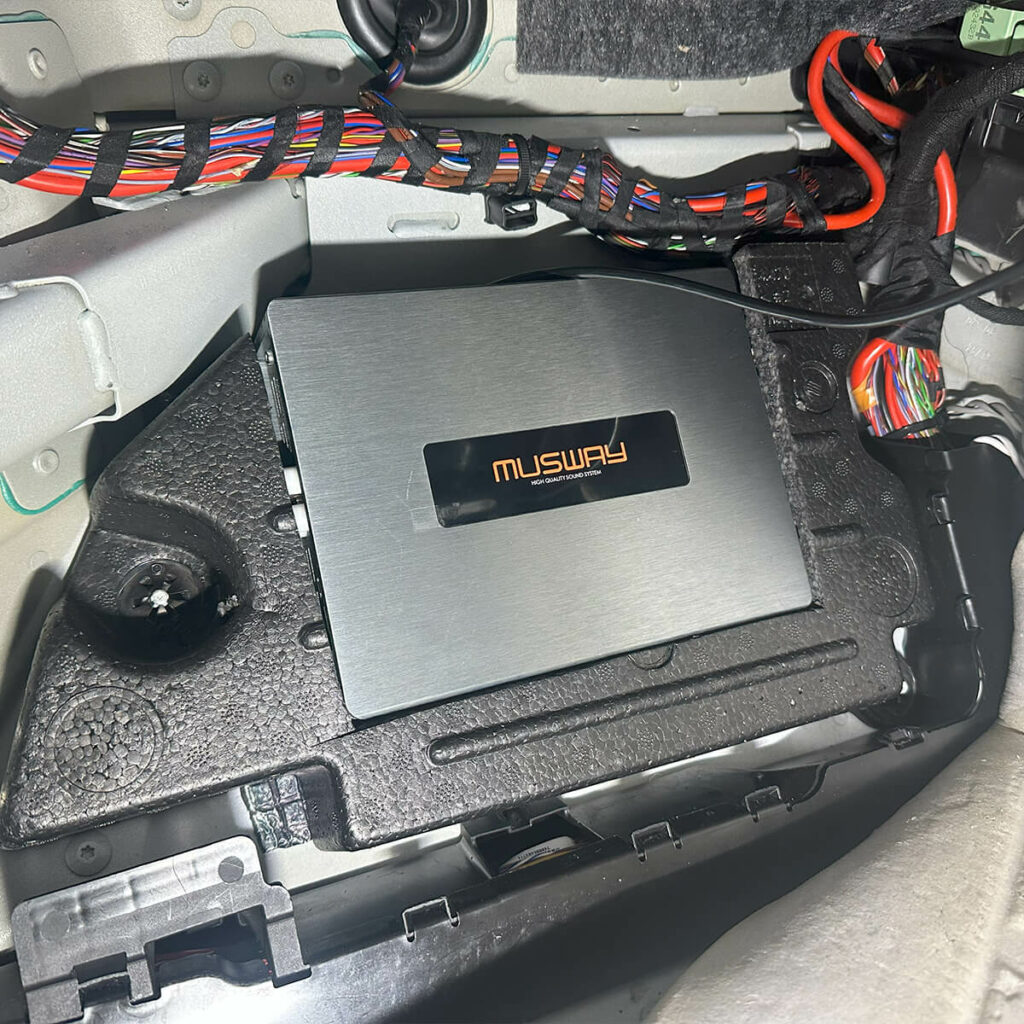
A DSP controls the audio signal going to the speakers, allowing adjustments to EQ, crossover, time alignment, speaker levels and other settings. New speakers, on the other hand, change the hardware responsible for reproducing the music.
If your speakers are still performing well but the system sounds unbalanced or poorly integrated, DSP tuning may give you the bigger improvement. If the speakers themselves are limited, replacing them is likely to make more sense.
When should DSP tuning come before new speakers?
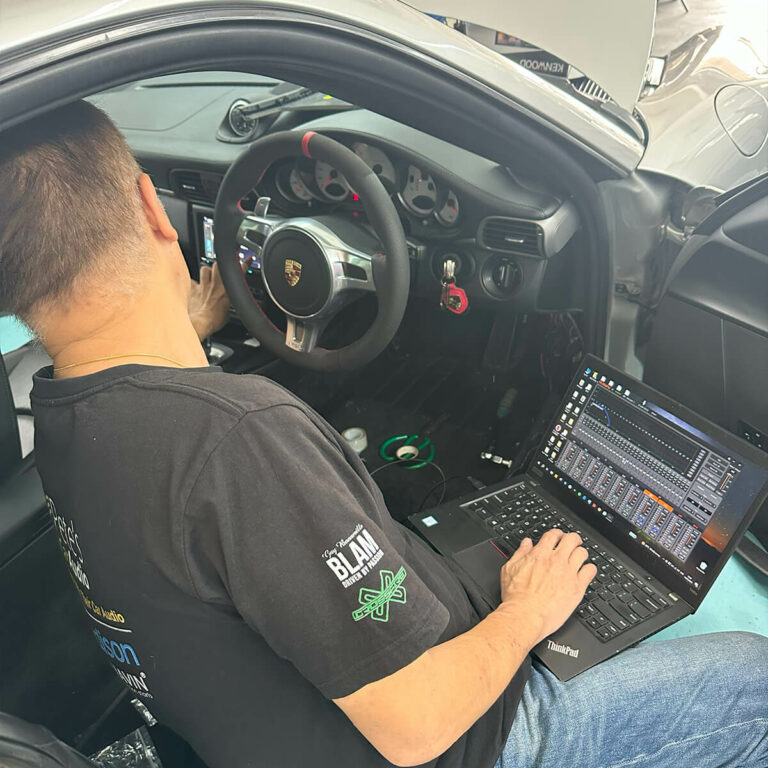
DSP tuning is often worth considering first when the existing speakers are in good condition but the overall sound does not feel right. You may notice harsh vocals, excessive brightness, muddy bass, poor imaging or a soundstage that seems to come from the individual speakers instead of from in front of you.
This is particularly relevant to modern factory audio systems, where the manufacturer may use built-in EQ, crossovers and other processing to make the original speakers work with the car’s interior. Simply replacing those speakers does not necessarily remove the original processing.
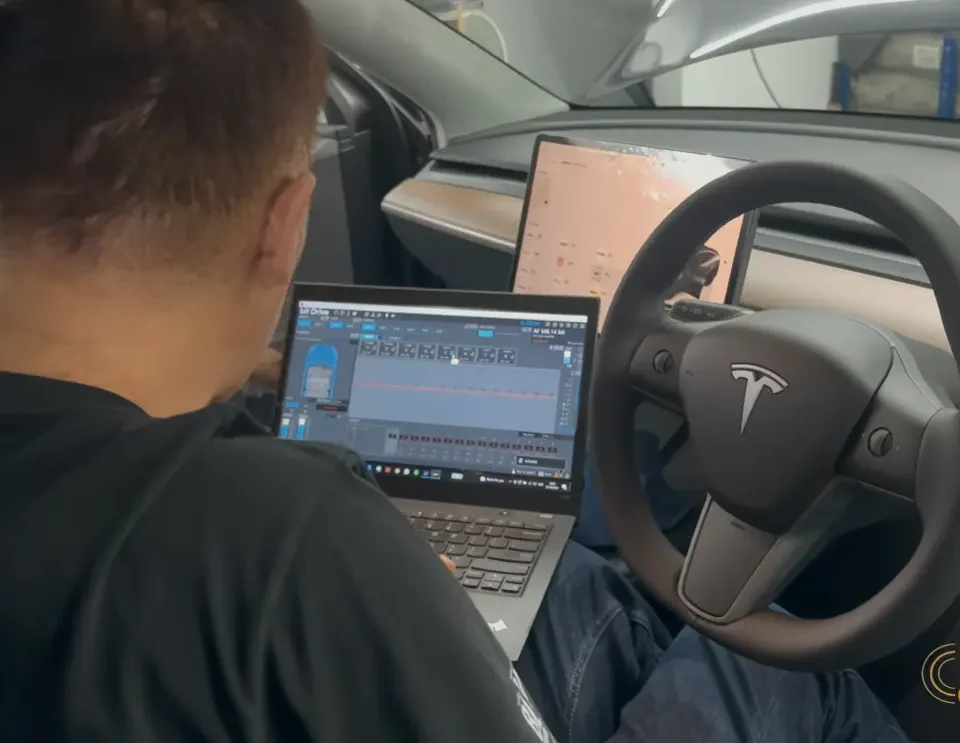
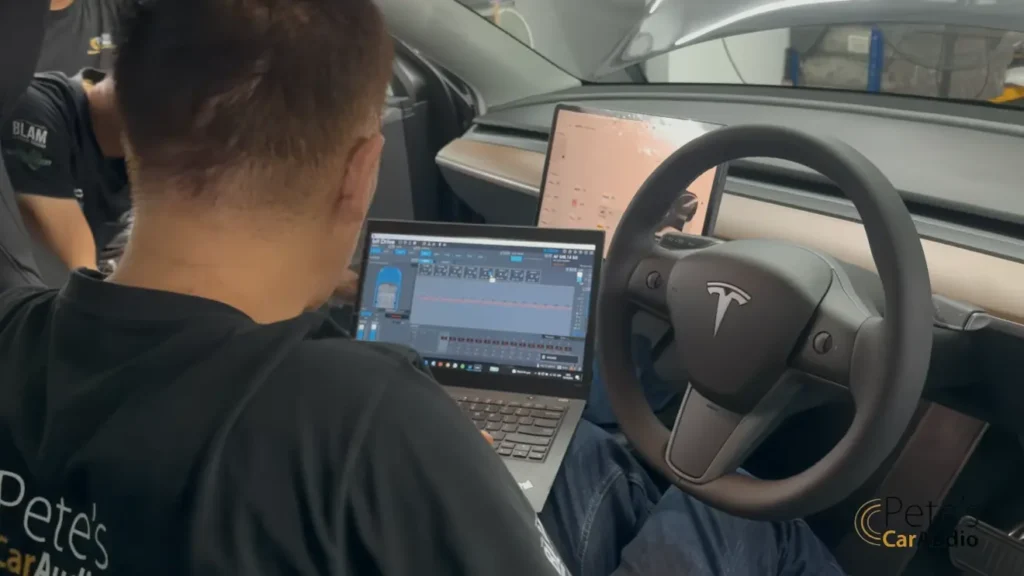
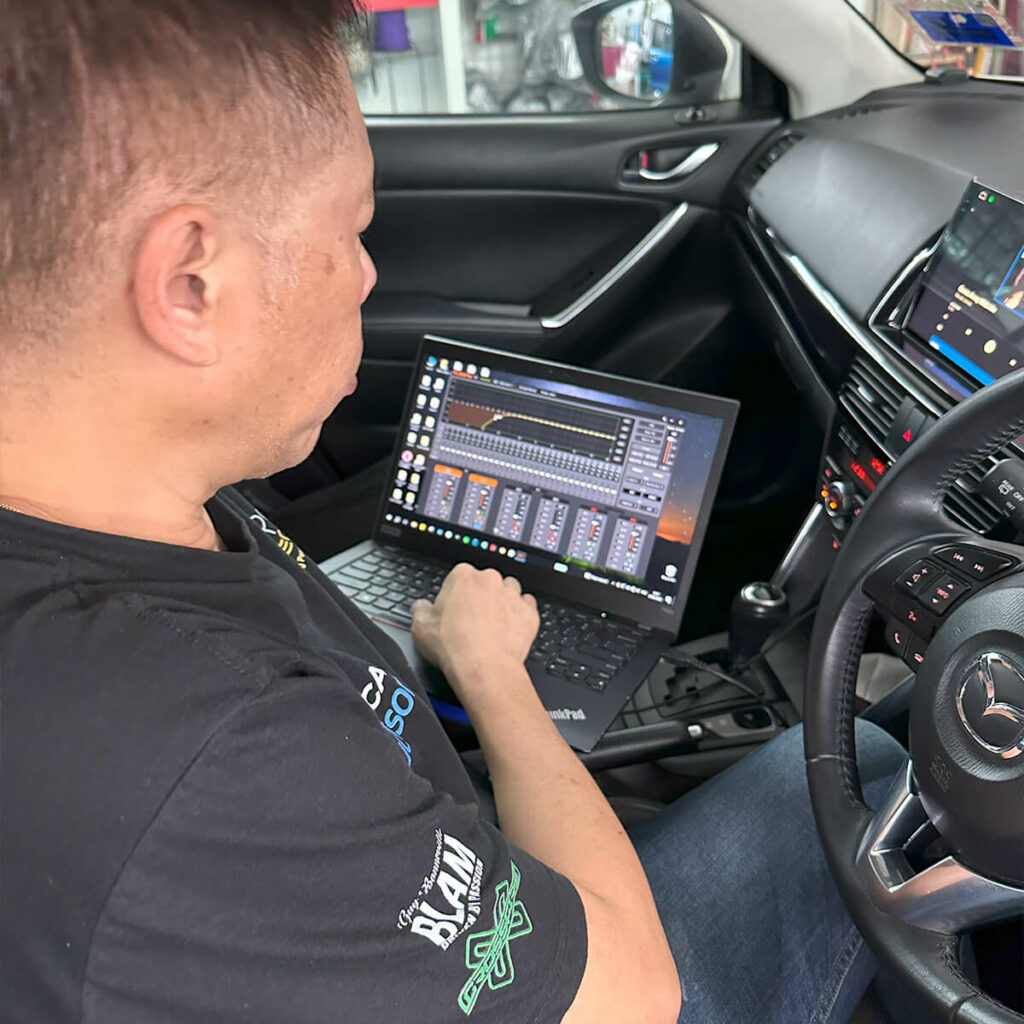
With professional car audio tuning, the system can be adjusted to improve frequency balance, timing, crossover points and the relationship between the individual speakers. This is closely related to proper car audio integration, where the different components are made to work together as one system.
When should I upgrade my car speakers first?
New speakers make more sense when the existing speakers have reached their performance limits. If your factory speakers sound thin, lack detail, have weak midbass or start to distort when you increase the volume, tuning alone cannot solve the physical limitations of the speaker.
A good speaker upgrade can improve clarity, dynamics and the overall character of your music. If you are considering an Audison car speaker upgrade, the right speaker and system integration should still be considered together.
Can DSP tuning make factory speakers sound better?
Yes, depending on the vehicle and its factory audio system. DSP tuning can improve how the existing speakers work together by adjusting their frequency balance, levels, crossover points and timing.
This can be a useful approach if you like the basic character of your factory speakers but feel that the system sounds harsh, unbalanced or lacks a convincing soundstage. You can also explore our guide on making your stock car audio sound better before deciding whether a complete hardware upgrade is necessary.
However, DSP cannot overcome the physical limitations of a speaker. If the factory speakers simply cannot produce the level of detail, dynamics or volume you want, a speaker upgrade may eventually be necessary.
How Does DSP Tuning Improve Car Audio?
A car is a small, highly reflective environment, so even good speakers can sound different from how they perform in other spaces. In this video, Peter explains how a DSP helps tune the audio system to suit the car, using adjustments such as crossover, time delay and equalisation.
If you are considering DSP tuning or want to understand why proper car audio system tuning matters, this short video gives a simple explanation of what a DSP does and how it can improve your listening experience.
What if my main problem is weak bass?
If your main complaint is that the music lacks deep and powerful bass, replacing the front speakers may not be the most effective solution. Door speakers have physical limitations when it comes to reproducing very low frequencies.
In this situation, a properly integrated subwoofer may provide a more noticeable improvement. The subwoofer handles the deeper frequencies while the main speakers focus on the rest of the music, and DSP can be used to make the different parts of the system work together smoothly.
Why can good speakers still sound bad?
Installing good speakers does not automatically create a good-sounding car audio system. The factory audio system may have specific EQ, crossover and signal processing designed around the original speakers, and these characteristics can remain even after the speakers are replaced.
Poor installation or tuning can also affect the result. Speaker levels, crossover settings, phase and time alignment all influence how the system sounds from the driver’s seat.
This is why car audio system tuning can be just as important as choosing quality equipment. The goal is to make the components work together as one system rather than simply installing better hardware.
What should I upgrade first?
A simple way to approach the decision is to start with your main complaint rather than a particular product.
| Your main problem | What to consider first |
|---|---|
| Harsh or unbalanced sound | DSP tuning |
| Poor soundstage | DSP tuning |
| Good speakers but poor overall sound | Professional tuning |
| Thin factory sound | New speakers |
| Speakers distort at higher volume | New speakers |
| Weak deep bass | Subwoofer |
| Want a major overall improvement | Speakers + DSP |
This is only a starting point because every vehicle and factory audio system is different. The right upgrade depends on the existing equipment, the way the system is integrated and what you want to achieve.
Do I need professional car stereo tuning?
If you have invested in aftermarket speakers, amplifiers, DSP or a subwoofer, professional car stereo tuning can help you get more from the equipment. Tuning involves more than simply increasing the bass or treble. It can include EQ, crossover settings, time alignment, speaker levels and system integration.
A properly tuned system should sound balanced and coherent from the driver’s listening position. This is especially important when different components from different manufacturers are being combined into one car audio system.
How do I know what my car audio system needs?
Start by identifying what you actually dislike about your current sound. If the problem is mainly balance, staging or integration, DSP tuning may be the right place to start. If the speakers lack detail or distort easily, a speaker upgrade may be more appropriate.
If you are mainly looking for deeper bass, a subwoofer could be the better investment. The important thing is to understand what is limiting your current system before deciding what to replace.
At Pete’s Car Audio, we assess the existing system and listen to what you want to improve before recommending an upgrade. You may not need to replace everything to get noticeably better sound.
Not Sure Whether You Need DSP or New Speakers?
If you are unsure where to start, talk to us about your current car audio system. We can help assess whether DSP tuning, new speakers, a subwoofer or a combination of upgrades makes the most sense for your car, listening preferences and budget. Learn more about our car audio installation service
The goal is not to add more equipment. It is to make the right upgrade for better sound.
Frequently Asked Questions
Not necessarily. DSP improves the control and integration of the audio system, while new speakers improve the physical performance and character of the sound. The better option depends on what is limiting your current system.
If your existing speakers are still capable but the sound is poorly balanced or integrated, DSP tuning may be worth trying first. If the speakers themselves are clearly limited, upgrading them may be the better starting point.
Yes. Depending on the vehicle, DSP can be used to improve the balance, timing, crossover and integration of factory speakers without immediately replacing them.
Not always, but tuning can help aftermarket speakers work properly with the factory audio system and other components. It is particularly useful when the vehicle has complex factory signal processing.
Professional car audio tuning involves adjusting the audio system so the speakers work together properly. This can include EQ, crossover, time alignment, speaker levels and phase adjustments.
There is no universal answer. DSP, new speakers or a subwoofer may be the best first upgrade depending on your vehicle, existing equipment and the problem you are trying to solve.