If your car audio does not sound as good as you expected, you may be wondering whether you should soundproof the cabin or go straight to a speakers upgrade. The answer depends on what is actually limiting your current system. Soundproofing reduces road noise and panel vibration. New speakers change the clarity, midbass and overall character of the sound. In some cars, soundproofing should come first. In others, the speakers are clearly the weak point.
Quick Summary
- Choose soundproofing first when your cabin is noisy at highway speed, or when door panels rattle on certain bass notes.
- Choose a speaker upgrade first when your factory speakers sound thin, lack detail, or distort at higher volume.
- Soundproofing reduces the noise floor. It does not make your music sound better on its own.
- Weak deep bass is usually a subwoofer problem, not a soundproofing or speaker problem.
What soundproofing actually does
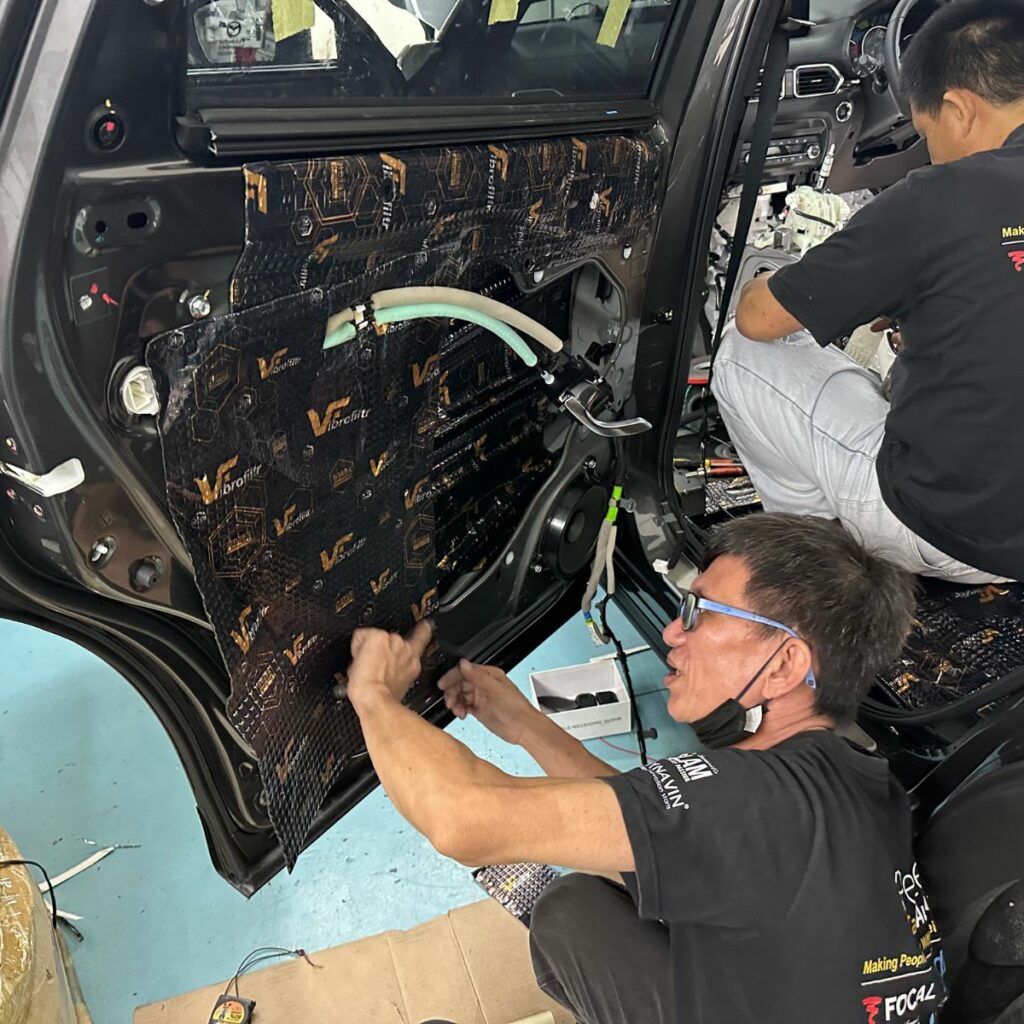
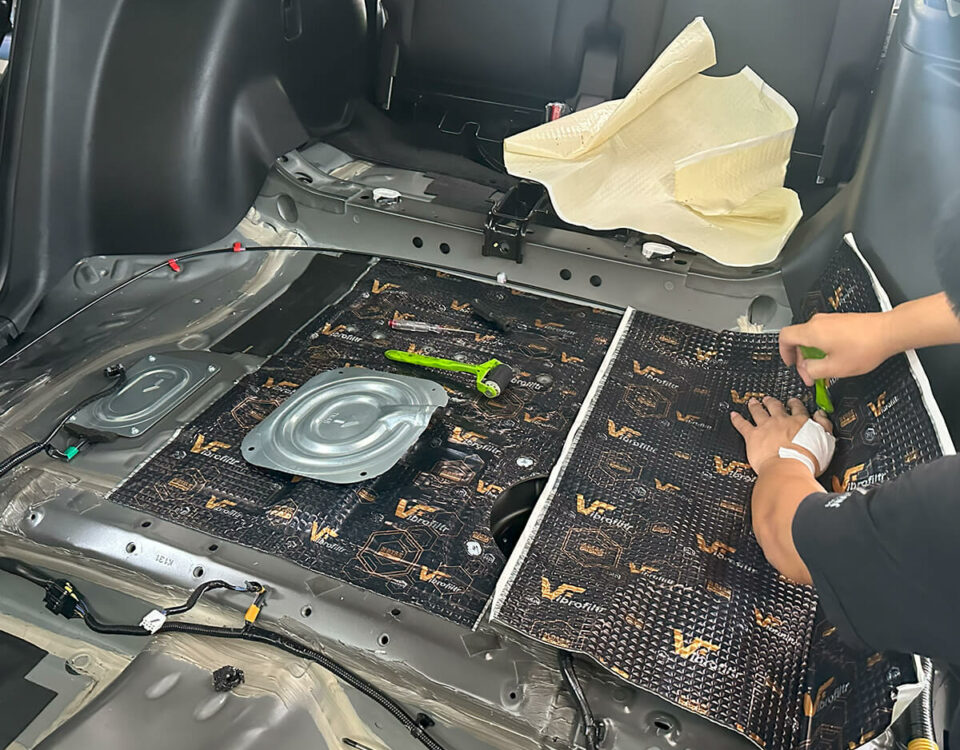
Soundproofing reduces road noise, wind noise and panel vibration entering the cabin. Applying damping material to the doors, floor and firewall lowers the noise floor, which can make an existing system sound cleaner even without touching the speakers. It can also stop door panels from rattling or buzzing on certain bass notes, letting a midbass driver perform closer to its actual potential instead of wasting energy flexing sheet metal.
What it does not do is add clarity, detail or tonal accuracy to your music. It will not fix harsh vocals, a boomy factory subwoofer, or poor imaging. It simply removes interference — it does not improve the source of the sound itself.
What a speaker upgrade actually does
A speakers upgrade changes the actual hardware reproducing the sound. Better drivers improve clarity and detail, especially at higher volumes. Upgraded midbass speakers fill in the low-frequency information that small factory speakers can’t reproduce, which is usually what people mean when they say a system sounds “full.” This is where most of the real, noticeable improvement in sound quality comes from.
If your factory speakers are small, cheap or poorly matched, no amount of soundproofing will make them sound like a proper best audio sound system for car setup.
See Soundproofing and Audio Upgrades in Action
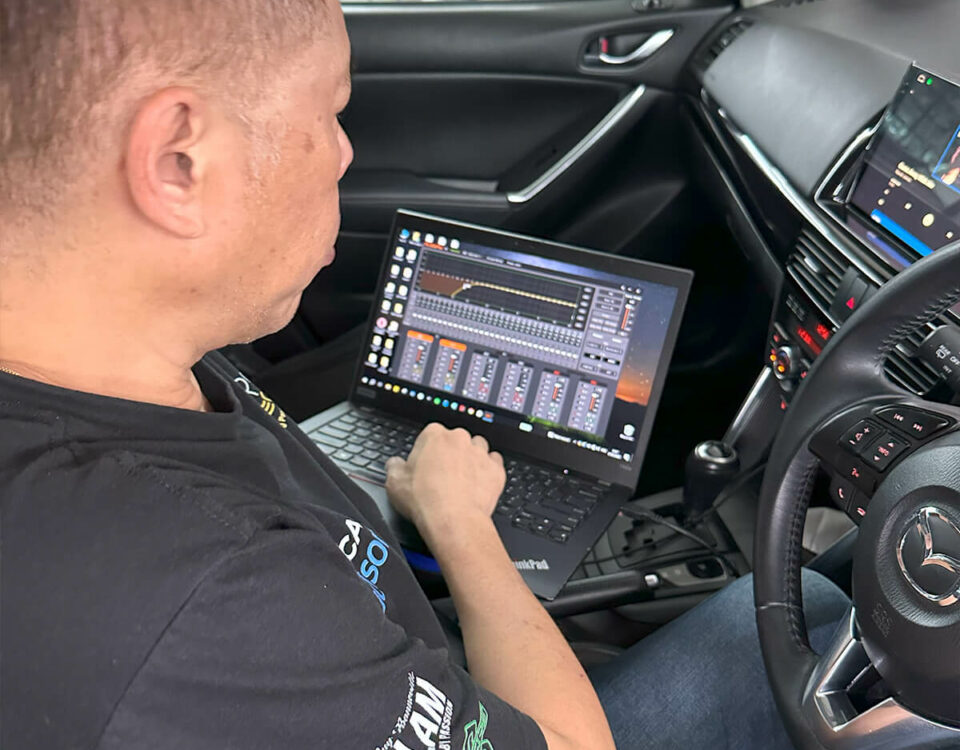
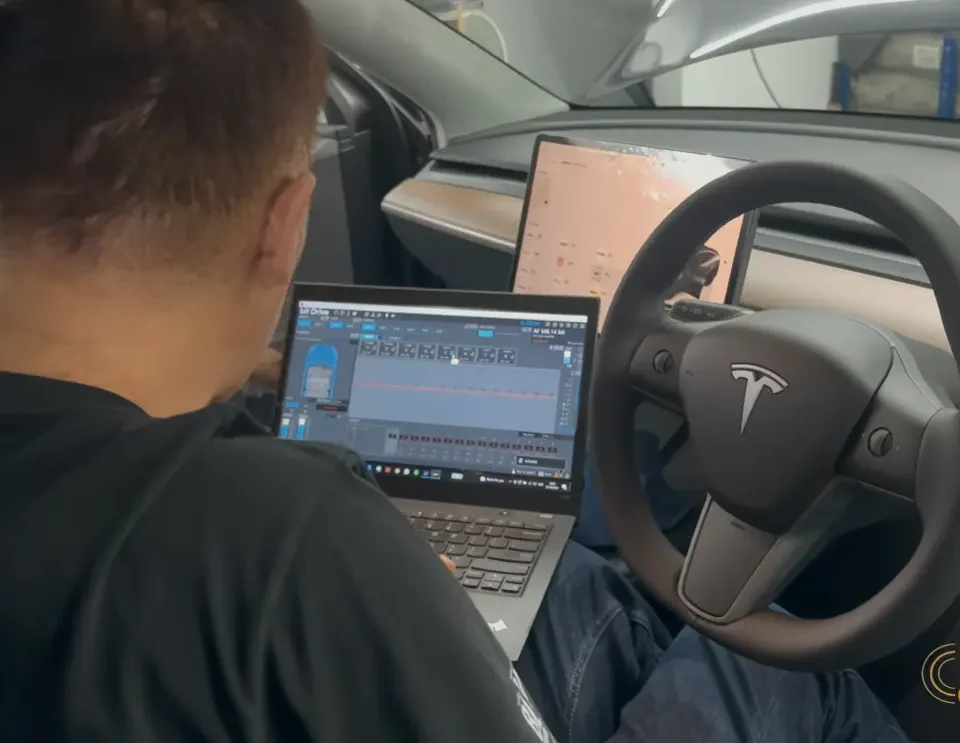
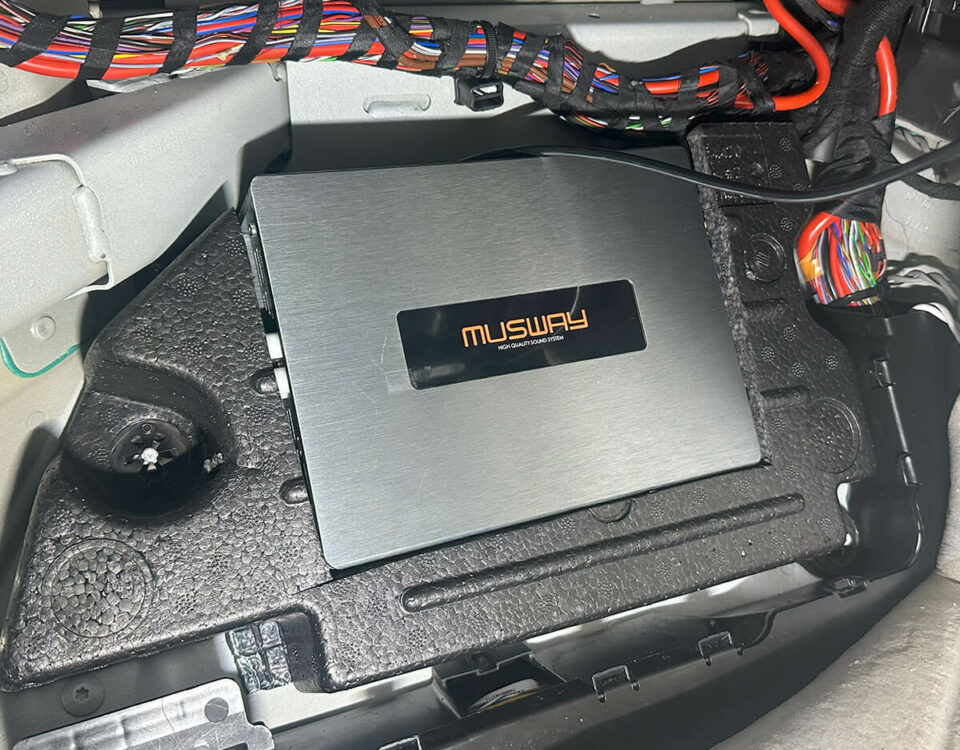
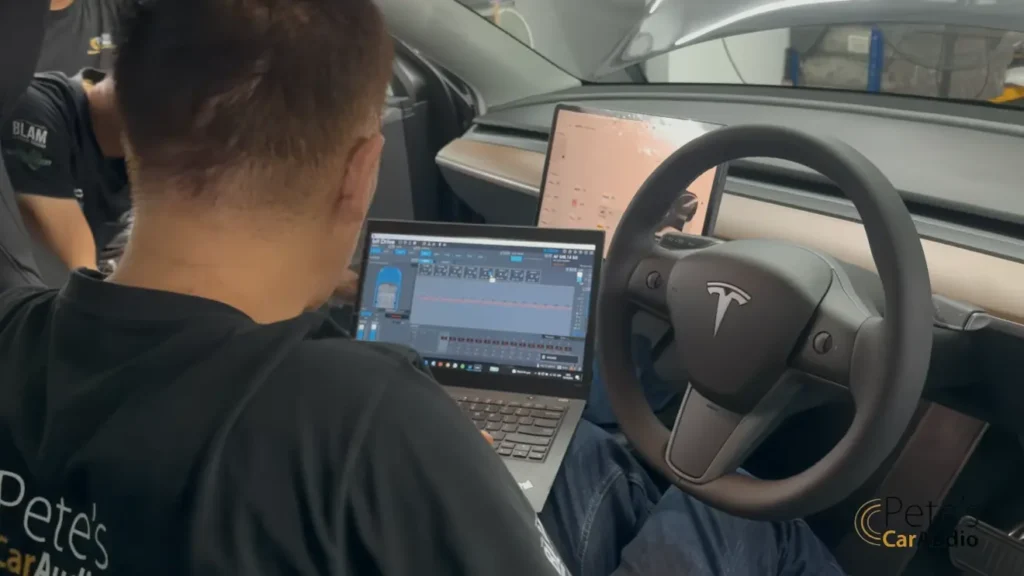
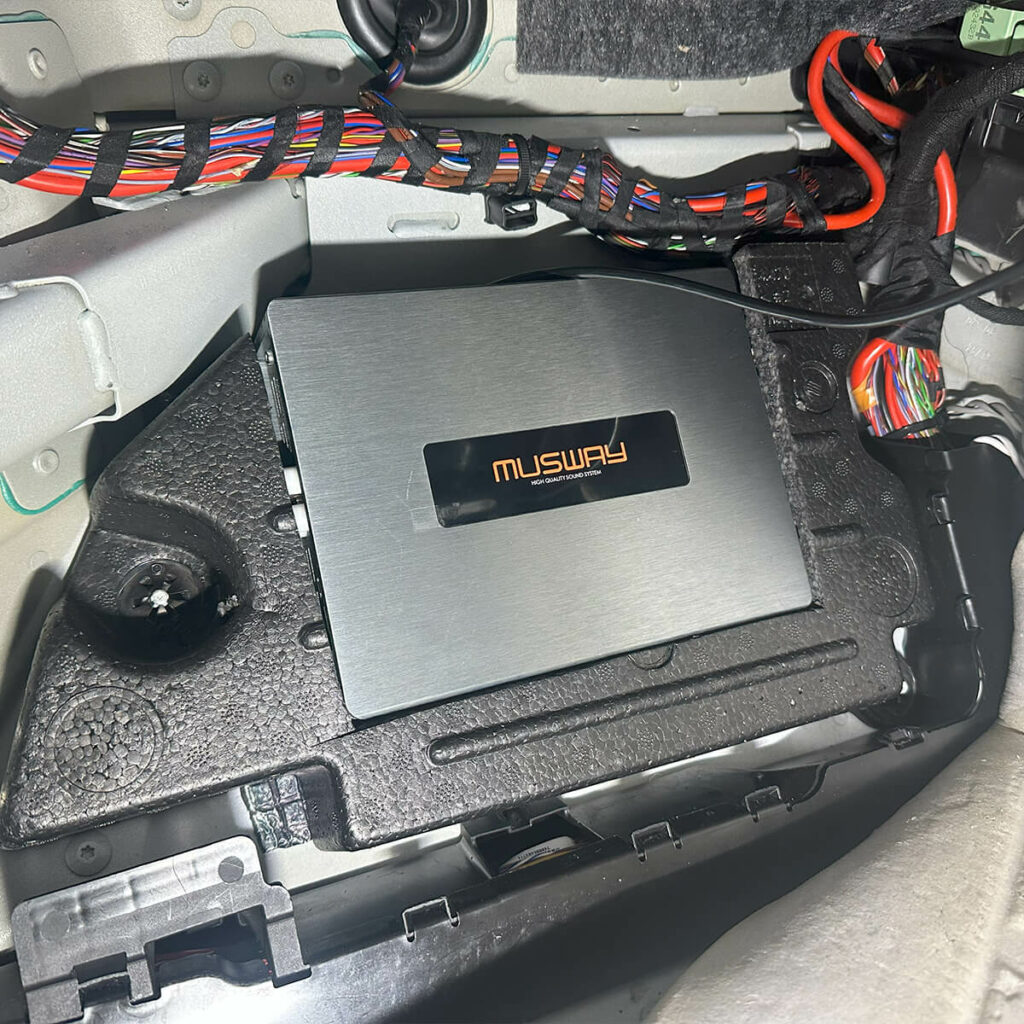
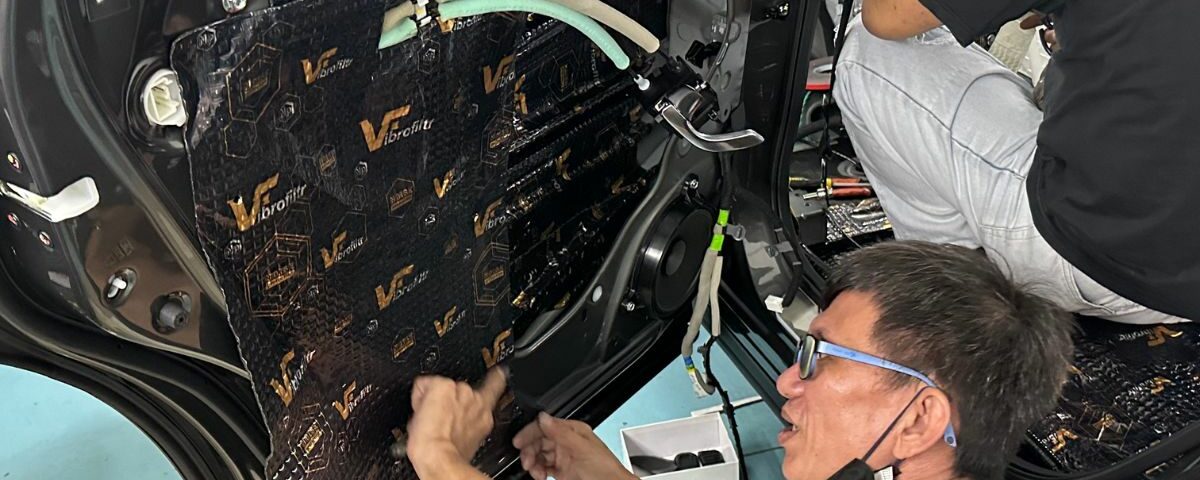
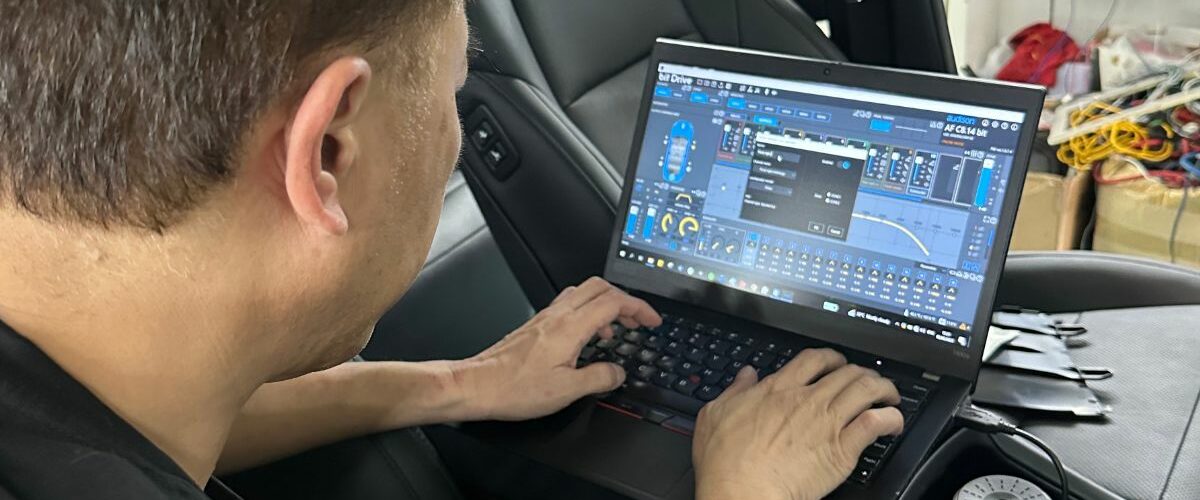
Soundproofing and a car audio upgrade can work together when both cabin noise and sound quality need attention. In this installation, you can see how the soundproofing is applied to the doors and flooring, followed by the installation of upgraded speakers, DSP amplification and subwoofers. The video shows the actual installation process and how the different parts of the system come together.
When soundproofing is worth doing first
- Your cabin is noticeably noisy at highway speed and you keep turning the volume up to hear vocals clearly.
- You hear rattles or buzzing at certain bass notes.
- You already have decent speakers, but road noise is masking detail you know is there.
When speakers will make the bigger difference
- Your factory speakers sound thin, harsh or distort at moderate volume.
- Bass response is weak or missing.
- The soundstage feels off-balance or unnatural.
If any of these sound familiar, a proper speaker upgrade will almost always deliver a more noticeable improvement than damping material alone.
What if my main problem is weak bass?
If your main complaint is a lack of deep, powerful bass, soundproofing is unlikely to be the fix. Door speakers have physical limits when it comes to very low frequencies, no matter how well the panel is damped. A properly integrated subwoofer usually makes a much bigger difference here.
Does installation matter?
Yes. Poorly fitted damping material can add weight without really reducing noise, and poorly installed speakers can underperform even with good hardware. Working with an experienced car speaker installation service makes sure everything is matched, wired and positioned correctly, so you actually get the improvement you’re paying for.
Not sure where to start?
If you’re unsure whether soundproofing, a speaker upgrade, or both makes sense for your car, talk to us about your current setup. We’ll help you figure out what’s actually limiting your system before you spend on the wrong upgrade.
Frequently Asked Questions
It depends on what is limiting your current audio system. If road noise and door panel rattles are the main problems, soundproofing may be worth considering first. If the factory speakers sound thin, harsh or lack detail, a speaker upgrade may provide a more noticeable improvement.
Soundproofing can make an existing car audio system easier to listen to by reducing road noise, vibration and panel rattles. However, it does not directly improve speaker clarity, tonal accuracy or soundstage.
Not always. Depending on the vehicle and factory system, professional tuning, DSP integration or adding a subwoofer may improve the sound before replacing the speakers. The right approach depends on what is limiting the existing system.
There is no single answer for every car. Some factory speakers can perform well when they receive better processing, amplification and tuning, while other systems have speakers that are clearly the limiting factor. The factory amplifier, speakers and system integration should be assessed before deciding.
Not necessarily. Soundproofing can be useful when road noise or door vibration is affecting your listening experience, but it is not a requirement for every speaker upgrade. If the main issue is poor sound quality from the factory speakers, the audio system itself may need attention first.